
FAQs
1. How do I apply to your program?
Applications are submitted through ERAS (Electronic Residency Application Service). The MWH PCCM Fellowship participates in the standard NRMP Fellowship Match for a July 1, 2027 start date. Applications open in September 2026. Program ID: 1565114001.
Required application materials: Dean's letter (MSPE), medical school transcript, USMLE or COMLEX score report, minimum three letters of recommendation, personal statement, and CV.
2. Do you have a USMLE or COMLEX minimum score requirement?
Applicants must have passed USMLE Step 1 or COMLEX Level 1. Step 2 CK or COMLEX Level 2 must also have been taken. There is no minimum numerical score cutoff; scores are reviewed holistically alongside other application components.
3. How are applicants evaluated and ranked?
All applicants are reviewed on a standardized scoring rubric that includes board examination performance, letters of recommendation, scholarly activity, leadership experience, personal statement, and interview day interactions. We conduct 15–20 interviews for 3 positions per year. The rank list is determined by a full faculty meeting using a holistic, structured review process.
4. What is the size of your program?
Three fellows per year, nine fellows total at full complement. This is by design. At three fellows per cohort, every fellow is the primary fellow on every rotation — no clinical experience is divided or shared. Every attending knows every fellow by name.
5. What is the size of the hospital and patient demographics?
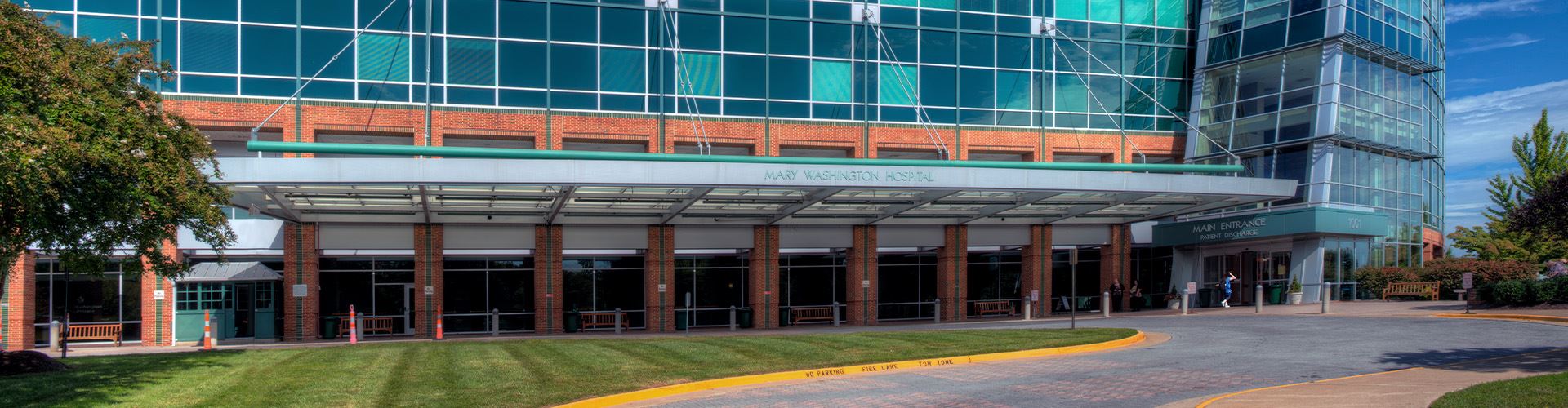
Mary Washington Hospital is a 437-bed acute care regional medical center serving the Northern Virginia and Rappahannock corridor — a geographically and demographically diverse population including urban, suburban, and rural patients. The Medical ICU census averages 10 patients per fellow. The breadth of pathology — from complex respiratory failure and sepsis to advanced malignancy and rare pulmonary diagnoses — reflects the full scope of what a PCCM physician manages in independent practice.
6. Do you accept visa sponsorship?
The program sponsors J-1 visas through the ECFMG. H-1B visa sponsorship is not available through the GME program. International medical graduates are welcomed and evaluated on the same criteria as all applicants.
7. What procedural training can I expect?
Procedural volume is a program strength. Fellows train in a closed MICU with a 10-patient average daily census — procedures occur by clinical necessity, not by scheduling. Program targets over three years include 160+ endotracheal intubations, 100+ flexible bronchoscopies, 50+ EBUS-TBNA procedures, 20+ navigational bronchoscopy cases (Ion/Monarch platforms), 10+ medical thoracoscopies (Year 3), and 200+ POCUS studies. All procedures are logged in MedHub with faculty attestation and reviewed at semi-annual CCC meetings.
8. What are the graduation requirements?
- One peer-reviewed manuscript submitted or one national conference abstract accepted
- One QI project completed and presented at the institutional Quality Committee
- One grand rounds lecture delivered
- Inquiring Minds Conference presentation (required Years 1 and 2)
- Journal Club leadership (required Years 1 and 2)
- M&M Conference formal presentation (required Years 2 and 3)
9. Where is the program located and what is it like to live in Fredericksburg?
Fredericksburg, Virginia sits between Washington D.C. and Richmond — one hour from each. It offers a lower cost of living than the DC metropolitan area, a vibrant historic downtown, excellent dining and outdoor recreation, and immediate access to the Shenandoah Valley and Chesapeake Bay. For fellows considering where to build a life alongside a career, Fredericksburg offers what the DC suburbs do not: affordability, community, and quality of life.