About This Location
A department of Mary Washington Hospital
Interventional Radiology
When most people think about treating a medical condition, they may think about medication or surgery. Interventional radiology (IR) offers another option. These minimally invasive procedures use advanced imaging to help doctors treat the right area with precision, often through a very small opening in the skin.
What is Interventional Radiology?
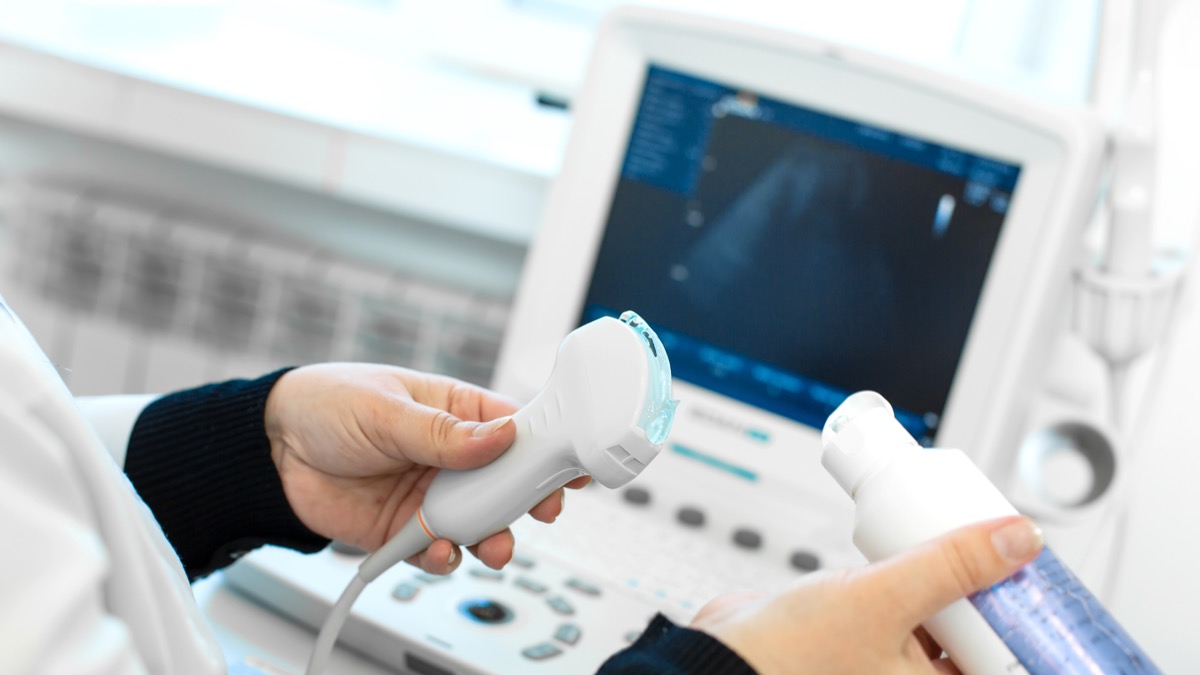
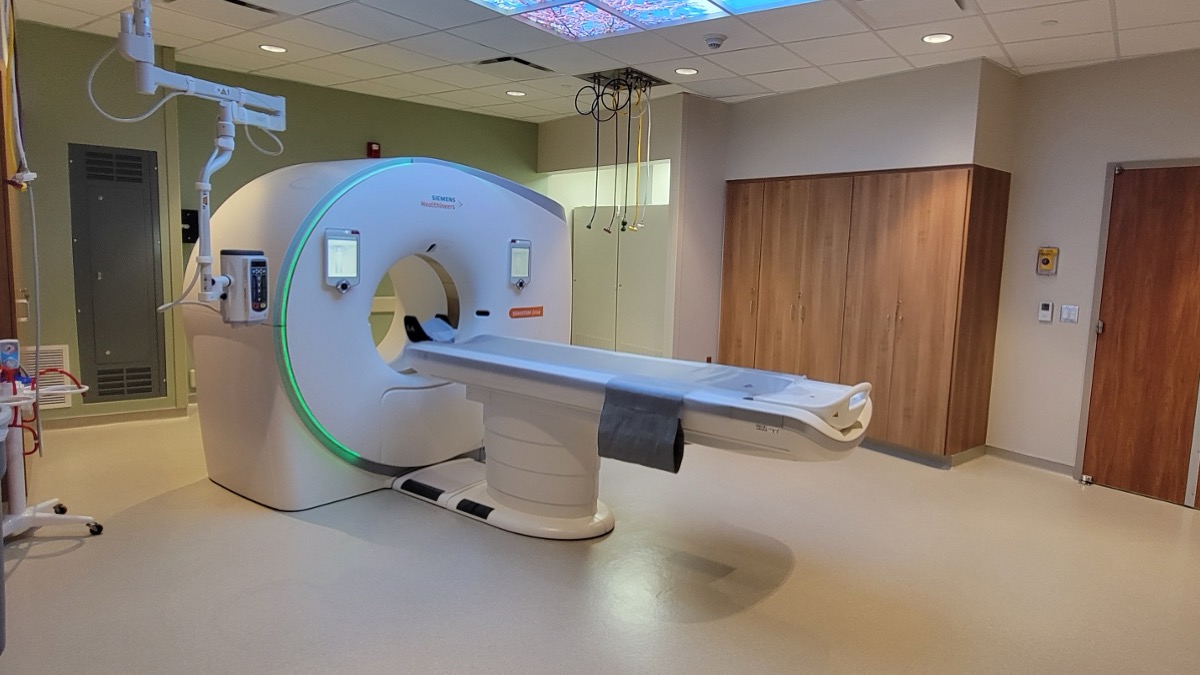
Interventional radiology (IR) is a medical specialty that uses imaging to help diagnose and treat disease from inside the body. Think of imaging like a GPS that helps guide the doctor to the exact area that needs care. Interventional radiologists may use CT scans, ultrasound, X-ray imaging or MRI to guide small tools through tiny openings in the skin.
How IR can help you
IR may be an option if you need treatment but may not need traditional surgery. Because the doctor can see inside the body with imaging during the procedure, many IR treatments can be done with less disruption to the body. This may help you recover sooner and get back to your daily life faster.
Do I need a referral?
Yes, you will need a referral from your primary care provider or specialist to receive a consult for interventional radiology. Referrals may come from providers in surgery, urology, oncology, OB-GYN, vascular care or emergency medicine. You can ask your doctor whether IR may be right for you.
Why was I referred to IR instead of traditional surgery?
Your doctor may refer you to interventional radiology if there is a less invasive way to diagnose or treat your condition. At Mary Washington Healthcare, interventional radiologists use advanced imaging to guide treatment to the area that needs care, often through a tiny opening in the skin. Instead of traditional surgery, IR offers another option for certain conditions.
For some patients, this can mean less pain, fewer risks, a shorter recovery, lower overall care costs and a faster return to daily activities. IR is not right for every condition. Your care team will review your needs and talk with you about the safest and most effective option for you.
Where your procedure will take place
Most Interventional Radiology procedures are done in an outpatient hospital setting.
Benefits of Interventional Radiology
- Most procedures are done with a needle or minor incision
- You may be able to go home the same day
- You may have less pain and less downtime
- Recovery will be shorter than with traditional surgery
- Imaging helps your doctor treat the exact area that needs care
Some conditions we treat
Interventional radiology can help diagnose or treat many conditions.
** Examples of conditions we treat**
Biopsy – using a needle to obtain tissue samples
Port placement – small incision to place a port for various therapeutic treatments
Aspiration – removal of fluid from a joint
Ablation – eliminate tissue without surgery
Drain placement – small incision to collect fluid
What you can expect
Your care usually starts with your primary care provider or another specialist. If they think interventional radiology may be an option for you, they will send a referral to the IR team. The IR team will review your health information and schedule a consultation to talk with you about your condition, answer your questions and explain your treatment options.
- Talk with your doctor. Your primary care provider or specialist will help decide whether IR may be right for you.
- Referral to IR. If IR may be a good option, your doctor will send a referral to the interventional radiology team.
- Consultation. An IR provider will review your needs, discuss possible treatment options and answer your questions.
- Procedure planning. If you and your care team decide to move forward, the IR team will explain how to prepare and what to expect the day of your procedure.
- Follow-up care. After your procedure, your care team will explain your recovery plan and any next steps.
How IR works with other specialists
Interventional radiologists work with other specialists to find the best treatment plan for you. For example, if you are receiving oncology services, your cancer care team may work with an interventional radiologist for procedures such as PICC line or port placement to help make treatment easier to receive.
Frequently asked questions
- What does an interventional radiologist do?
An interventional radiologist uses various imaging technologies to perform minimally invasive procedures.
- Do I need a referral?
Yes, you need a referral.
- Will I need to be put under anesthesia for my procedure?
Some patients based on the procedure or medical history may require anesthesia during the procedure. This will be determined during your consult.
- Is there a chance that IR is not right for me?
Yes. This will be determined during your consult.
- Am I going to have my procedure done the same day as my consult?
No. Your consult will be done in the outpatient clinic and your procedure will be scheduled at one of the hospitals in an outpatient setting at a future date.
Talk to your doctor about IR
If you have been told you may need surgery or another type of procedure, ask your doctor whether interventional radiology may be an option for you.